
Cedar's Resilience and Human Resilience
The Boys in the BoatThis thread explores how the book connects cedar's physical properties with the crew's ability to bend under pressure and continue.
increasing Bearing strength in each event
 decreasing
Bearing strength in each eventdecreasingThe Marks in a Tree
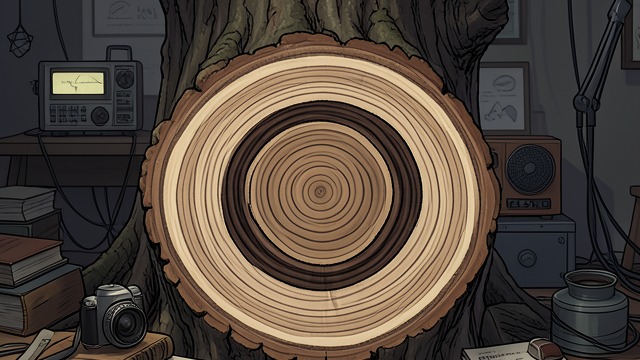
Seasons Recorded in Wood
Learning
Joe Rantz studies annual rings while learning to choose cedar with Charlie McDonald. The wood preserves traces of rich seasons, drought, storms, and injury.
Analogy
The tree’s history lets Joe see adversity not as proof of failure but as part of survival. This way of reading wood anticipates George Yeoman Pocock’s later lesson.
The Shell's Hidden Tension
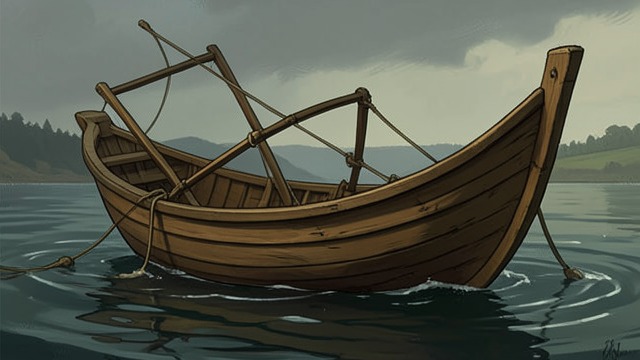
A Spring in the Cedar
Material
Pocock’s western cedar shell is shaped to remain flexible while holding its form. When the wood takes on water, its interaction with the rigid frame creates camber.
Resilience
The tension makes the boat lively rather than brittle. The shell’s capacity to respond and spring forward becomes a material image of endurance.
Joe's Work at Grand Coulee
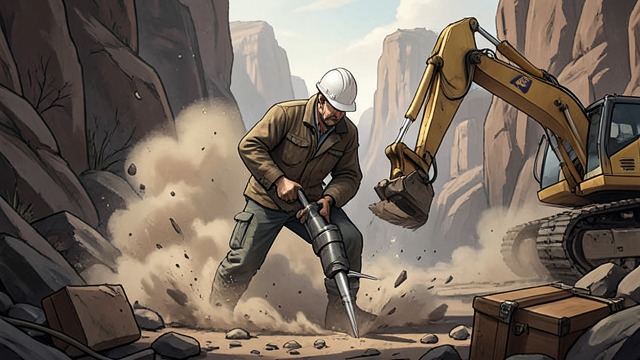
Strength Under Strain
Endurance
Joe works for hours with a jackhammer suspended from ropes over a canyon. He discovers that brutal labor can leave him exhausted yet purposeful and alive.
Shared Safety
The cliff workers must watch out for one another as rock falls. Their cooperation resembles the resilient strength Pocock will later ask Joe to find in the boat.
A Man Learns to Bend

Pocock's Lesson
Counsel
Pocock tells Joe that the ability to yield and accommodate can be a source of strength when guided by principle. Joe must change his instinct to row alone without abandoning his determination.
Change
Joe begins to adapt his movement to the crew. Like cedar under steam and pressure, he becomes capable of taking a new shape without losing his inner resolve.
A Crew That Springs Forward
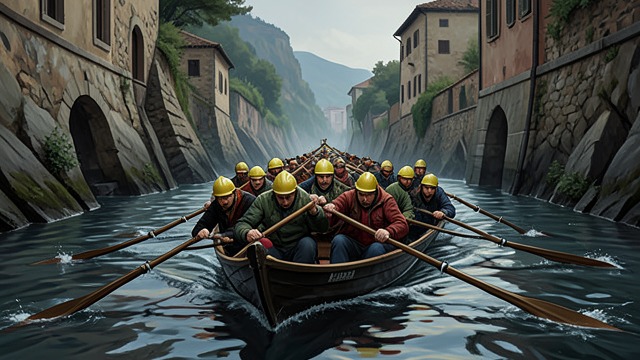
Resilience at the Finish
Pressure
In the final race, wind, illness, a bad start, and the protected lanes of the competition seem to work against Washington. The team has to respond without losing its shared timing.
Rebound
The shell enters more sheltered water and the crew accelerates together. The comeback makes cedar’s capacity to rebound a fitting image for the team’s response to resistance.
Summer 1934
1927 and after
Summer 1935
Autumn 1935–spring 1936
August 14, 1936
